There is something quietly remarkable about the way a piece of fabric around someone's collar can carry so much meaning. Back in the day, when Croatian mercenaries first introduced the knotted neckerchief to European courts in the 17th century, nobody could have imagined that this small sartorial gesture would eventually anchor some of the most significant traditions in education and corporate life. I would say the journey from those military origins to the school halls of South Africa is one of the more fascinating, if underappreciated, stories in the history of dress.

Which brings me to a question I get asked more often than you might expect: are matric ties really just types of custom ties, or are they something entirely separate? My honest answer is that matric ties sit firmly under the broader umbrella of custom ties — they are simply a very specific, very meaningful expression of what custom ties can be. Don't get me wrong, there are important distinctions in how they are designed and what they represent, but at a manufacturing level, matric ties follow the same fundamental logic as any other bespoke neckwear order.

Let me explain what I mean. Custom ties, in the broadest sense, are ties produced to a particular client's specification — a unique colourway, a specific woven or printed pattern, a logo or badge, a defined width and length. That description covers a remarkably wide range of products: corporate ties commissioned by a company for its sales team, club ties ordered by a sports organisation, regimental-style ties for associations, and yes, matric ties produced for a school's final-year class. All of these fall under the custom ties category because none of them exists on a shelf waiting for a buyer. They are made for someone, with intention and specification.

What makes matric ties particularly interesting from a design and production perspective is the layering of meaning involved. These days, matric ties are expected to honour the school's established colours and identity while simultaneously marking the uniqueness of a specific graduating year. Sometimes a year number is woven into the design, sometimes a motif is incorporated, and often the finishing details are slightly elevated compared to the standard school ties. At Vinuchi, we have worked on matric ties where the brief was genuinely complex — balancing institutional tradition with the desire of a particular matric class to have something that feels distinctly theirs. That tension between heritage and individuality is, I would say, one of the most creatively interesting briefs a tie manufacturer can receive.

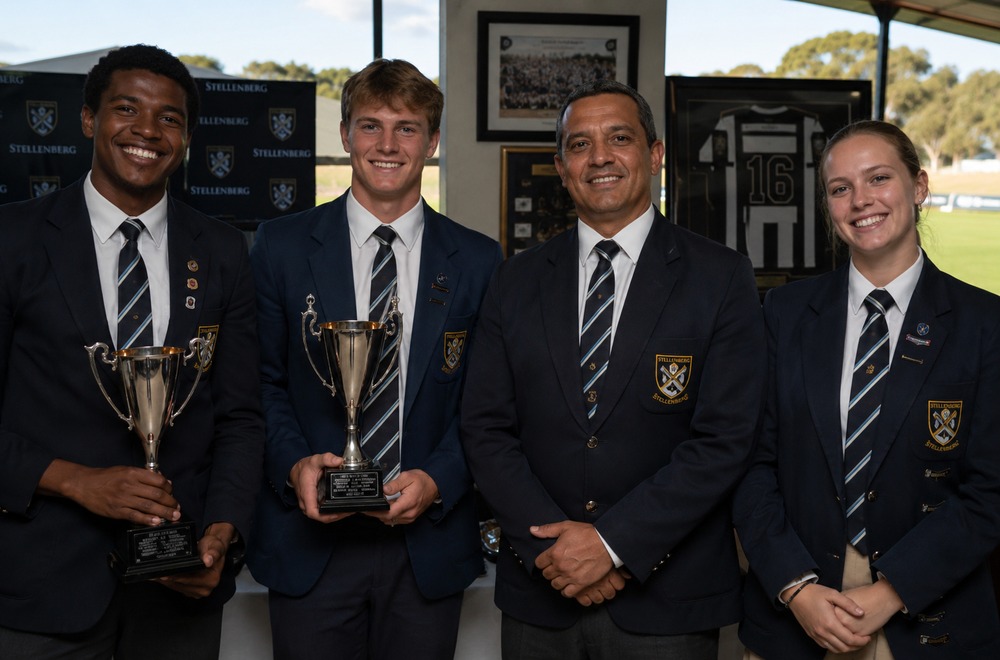
South Africa has a deep and serious school uniform culture, with roots stretching back through British public school traditions that were transplanted and then adapted here over generations. The school tie became a marker of belonging, discipline, and pride — and the matric tie became the crowning version of that symbol. When you consider that many South African schools have been ordering custom ties from local manufacturers for decades, it becomes clear that matric ties are not a novelty product. It is part of a long, considered tradition of institutional neckwear that demands proper craftsmanship.

This is precisely where the distinction between tie manufacturers and tie makers matters. A tie maker can produce a tie. A tie manufacturer with genuine experience in custom ties understands repeat colourways, colour-matching across production runs, woven versus printed techniques, fabric weights appropriate for a school context, and the logistical realities of supplying a large order on time for a specific occasion. Matric ties cannot be late. The specification cannot drift. One could say the standard of execution required for matric ties is really no different from the standard required for a major corporate ties order — the client's reputation, and the manufacturer's, depends on getting it right.

The future of both custom ties and matric ties in South Africa looks, I think, quite promising. There is a growing appreciation for locally manufactured quality, a renewed interest in the craftsmanship behind woven neckwear, and a recognition that these products deserve better than cheap imported alternatives. Vinuchi has built its reputation on exactly that understanding — that a custom tie, whether it is destined for a boardroom or a matric farewell, carries weight far beyond the fabric it is made from. The traditions that gave us the tie in the first place have proven remarkably resilient, and I see no reason why that should change.