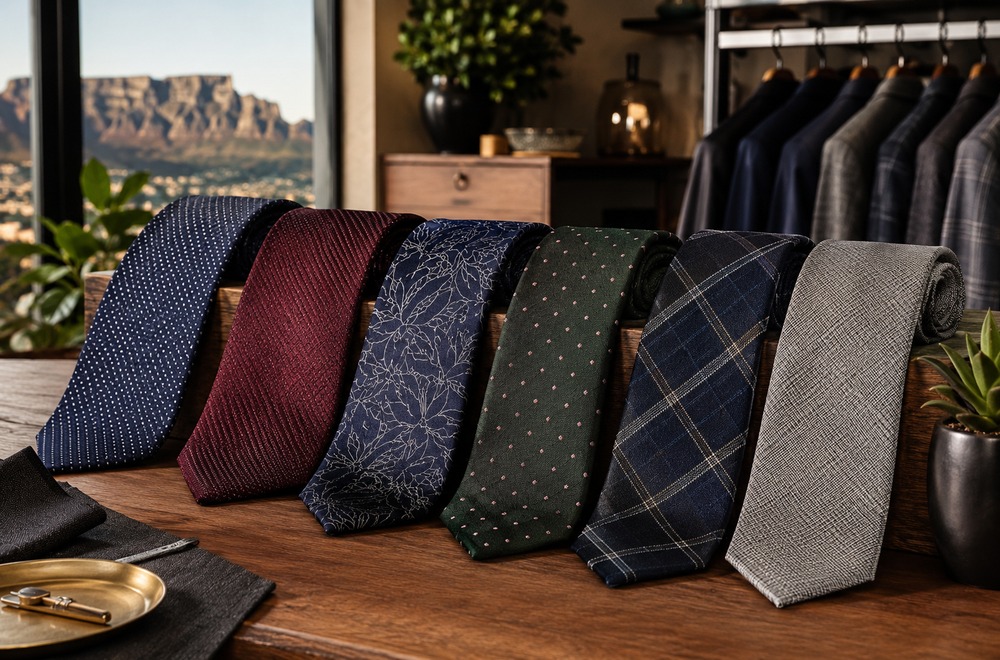
There is a question that comes up more often than you might expect in the world of branded apparel, and I find it genuinely interesting to think about. When a company decides it needs corporate ties for its staff, or when a school needs to reorder its school ties, who exactly is responsible for making that happen? I don't mean responsible in a philosophical sense — I mean practically, operationally, who in the supply chain owns that process? The answer, I would say, is more layered than most people realise, and it speaks directly to the difference between a tie supplier and a true tie manufacturer.

Let me give you a bit of context that I think is worth understanding. When British public schools began formalising their uniform traditions in the nineteenth century, the striped and emblazoned tie became something far more than a piece of fabric knotted at the collar. It became a symbol of belonging, of institutional identity, of standards upheld. Those schools didn't simply wander into a shop and pick something off a shelf. They worked with makers who could produce something specific, something exclusive to that institution. That relationship — between an organisation and a manufacturer who could deliver something bespoke — is essentially the foundation of what we now call the custom ties industry. And the same principle applies today when companies order corporate ties for their teams. The need for something that belongs to you, that represents you, hasn't changed at all.

These days, the market is flooded with what I would loosely call tie suppliers. I use that term carefully, because there is an important distinction between tie suppliers and tie manufacturers. A supplier sources product, often from offshore factories, holds stock, and fulfils orders. A manufacturer — a real one — controls the production process, understands the materials, and can produce corporate ties to a specific brief. Don't get me wrong, suppliers serve a purpose in the market, but when a company wants custom ties that genuinely reflect their brand, colour palette, and quality expectations, a supplier working from someone else's inventory simply cannot deliver that with any real precision. You end up with something close, but not quite right. And in the corporate world, close is rarely good enough when your tie is representing your brand at every client interaction.

At Vinuchi, this is something we live with every day. We are a manufacturer, not just a supplier, and that distinction shapes everything about how we approach corporate ties. When a client comes to us needing custom ties for a national rollout — whether it's a bank, a hotel group, a private school, or a retail chain — we are involved from the very first conversation about what the tie should communicate. Colour matching, weave structure, the decision between a printed or woven finish, the weight of the fabric, the quality of the lining — these are all conversations that happen before a single thread is sourced. Back in the day, this kind of attention was simply expected in the trade. I would say the industry has drifted somewhat from that standard, which is part of why we have held onto it so deliberately.

The responsibility question also extends beyond just making the product. Tie manufacturers who work in the corporate ties space need to understand procurement cycles, institutional timelines, and the reality that a company might need to reorder corporate ties across multiple locations on different schedules. A school needs its custom ties ready before the academic year begins. A company launching a rebrand needs its custom ties aligned with every other element of the brand rollout. That coordination, that understanding of how the product fits into a larger operational picture, is part of what separates a serious manufacturer from a casual supplier.

One could say the custom ties market has matured considerably over the past two decades, particularly here in South Africa where local manufacturing has had to compete with cheaper imported alternatives. What has survived that pressure, I would argue, is quality and relationship. Companies that care about their corporate ties — that understand what  well-made custom ties communicate about their brand — still seek out manufacturers who can deliver with integrity. And that is precisely where the responsibility lies. Not with the buyer who places an order, and not with a middleman who sources from a catalogue, but with the manufacturer who understands the craft well enough to produce something worth wearing, and worth representing.

That, in my view, is who is truly responsible for supplying corporate ties.